The Biography of a Bale: What Incoming Plastic Reveals About Its Journey
(Source Credits: Plastics For Change)
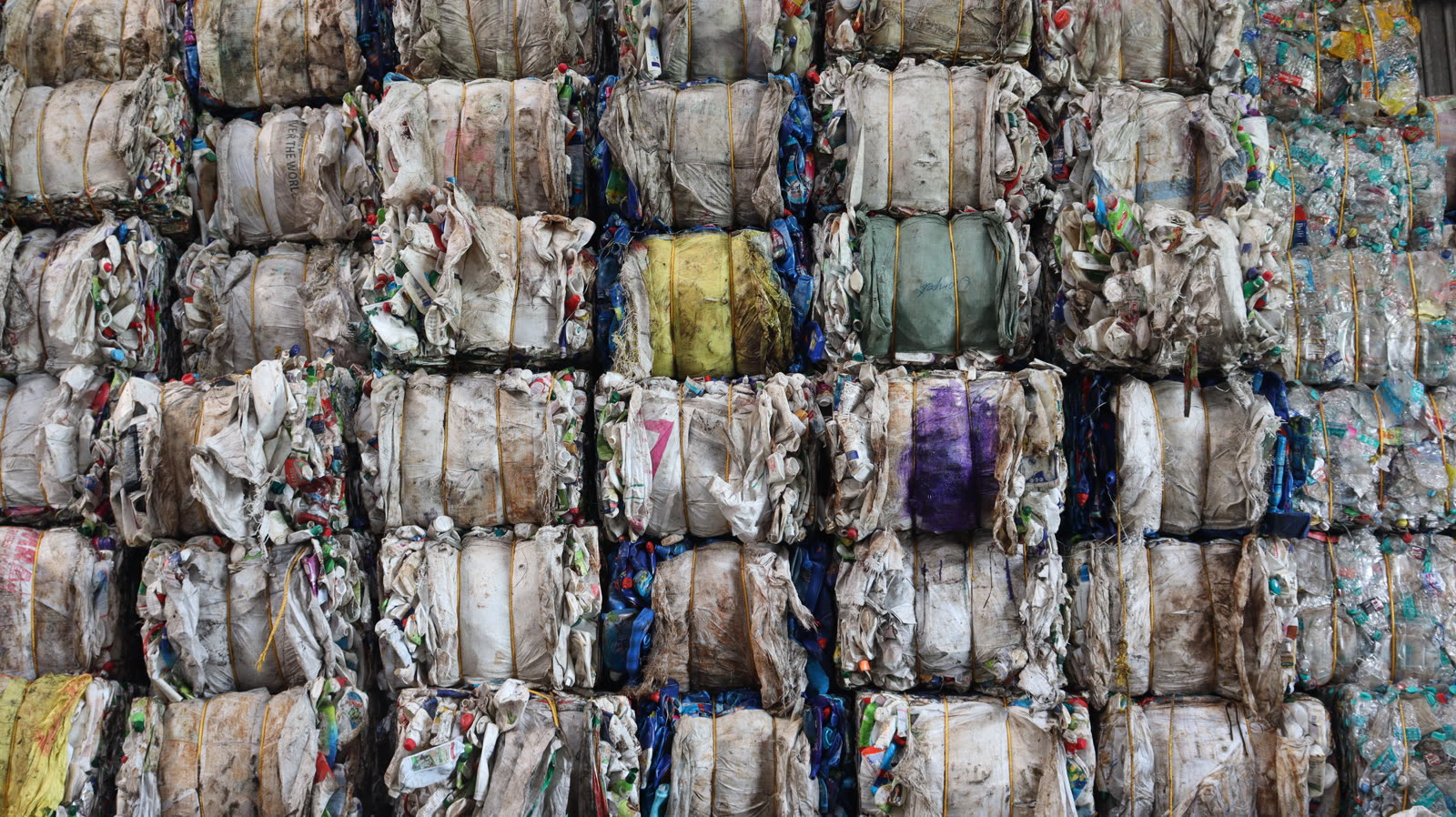
A bale of plastic can tell you more than its weight and polymer type.
Look closely at incoming material and you will find faded labels, bottle caps, crushed containers, scratches, dirt and traces of what the packaging once contained. Each is a small clue to where that plastic has been and what it took to bring it back into the recycling system.
India generates an estimated 3.9 million tonnes of plastic waste every year. A significant part of the country's recovery system is powered by informal waste collectors, who research estimates contribute around 70% of PET recycling in India. By the time this material reaches a recycling facility, it has already passed through a complex network of collection, sorting, aggregation and transportation.
The bale is where that journey becomes visible.
Start with the packaging
(Source Credits: Plastics For Change)
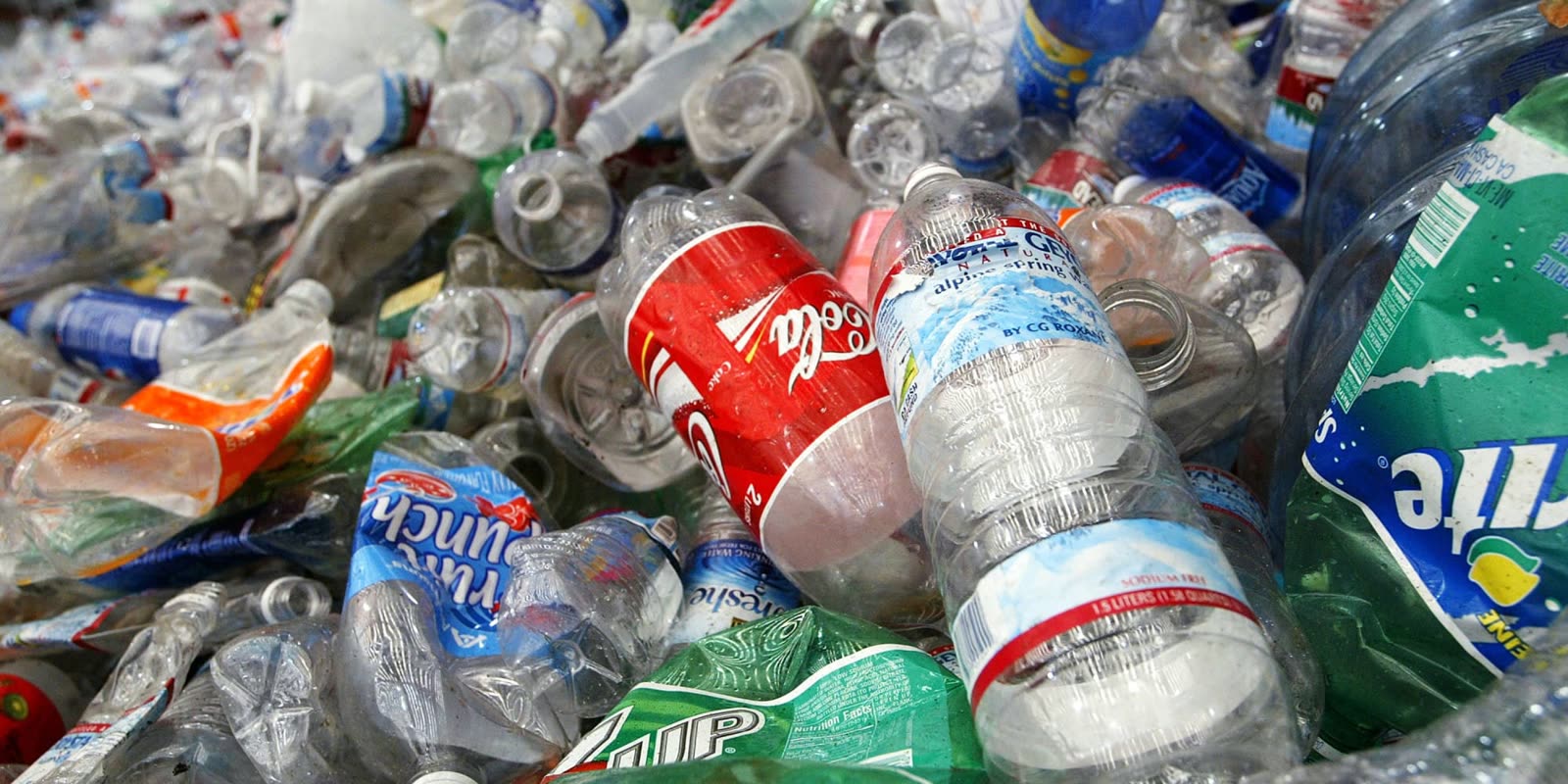
Labels tell us what the plastic once contained: beverages, personal care products, household products and more. But they also tell us something about the packaging itself.
Labels, sleeves, adhesives and other components can influence how easily packaging moves through sorting and recycling. Industry guidance considers these components when assessing the recyclability of PET packaging.
Then there are the caps. A PET bottle and its cap are often made from different polymers, such as PET and PP or HDPE. They may enter the recycling stream together, but need to be separated during processing.
It is a simple reminder that recyclability is rarely about one component alone. It is about how the entire package behaves within a real recycling system.
Dirt is part of the story
(Source Credits: Plastics For Change)
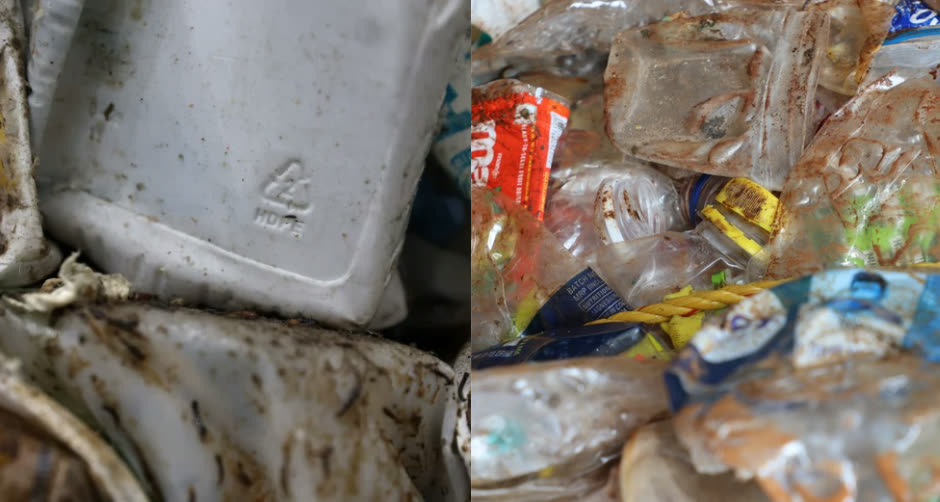
Some bottles arrive clean. Others carry soil, moisture, food residue or other contaminants. Some have been crushed during collection and transportation. Others may have spent time mixed with different types of waste.
These differences affect the quality of an incoming bale and the work required to turn post-consumer plastic into recycled feedstock. Industry bale specifications therefore look at both the target material and the contamination that arrives with it.
But contamination also gives us a glimpse into the recovery journey. The condition of a bale is partly a reflection of what happened before it reached the recycling facility.
What happens before the bale matters
(Source Credits: Plastics For Change)
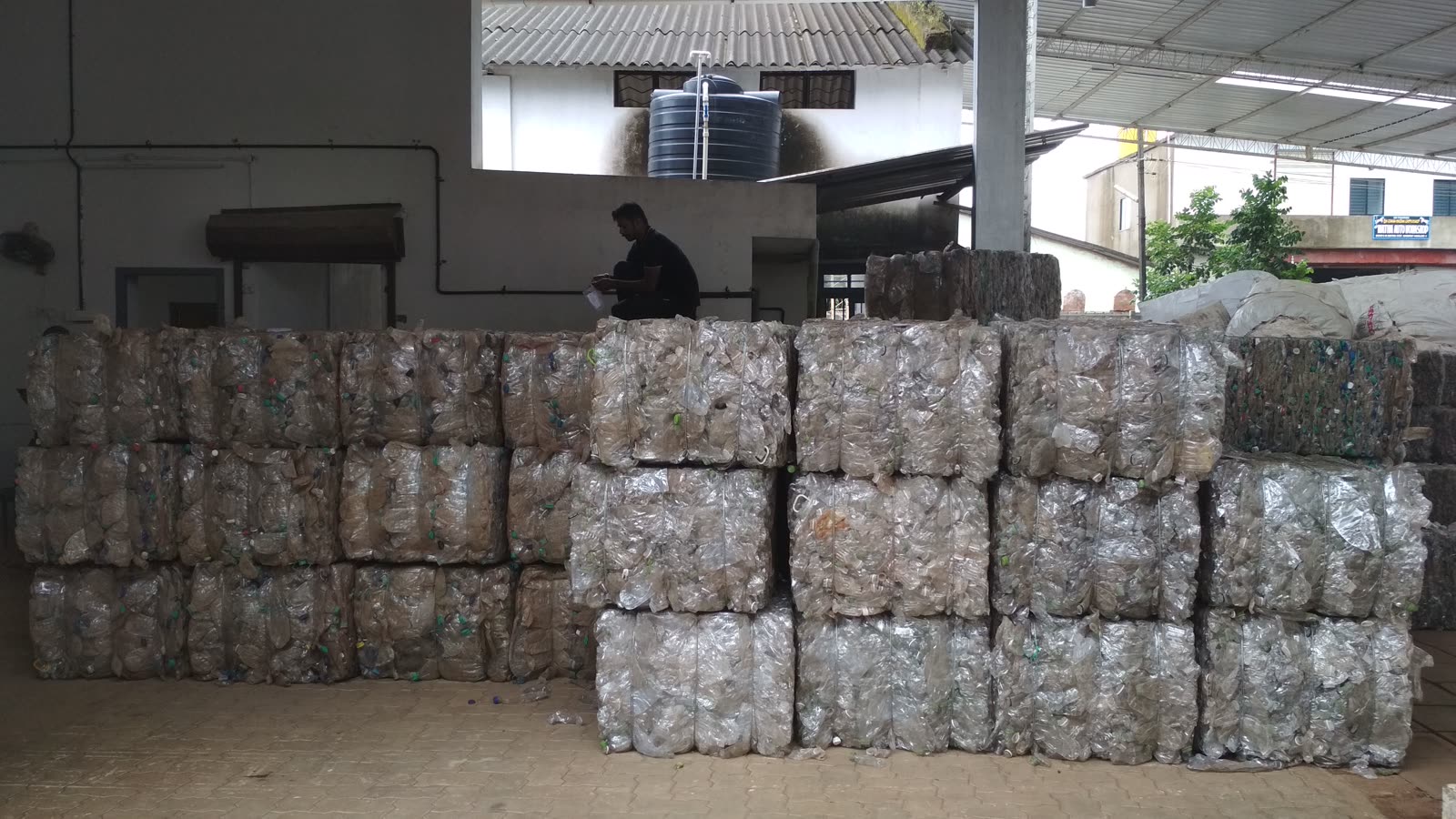
Perhaps the most important thing a bale reveals is not about an individual bottle, but about the system around it. A cleaner, more consistent bale reflects effective collection and sorting upstream. Mixed materials and higher contamination can point to challenges further along the recovery chain.
In India, that chain depends heavily on waste collectors and informal recycling networks. Their work connects discarded packaging with the formal recycling industry, making collection and sorting a critical part of the circular economy.
CPCB's 2021–22 data estimated India's plastic waste generation at 3.9 million tonnes, compared with reported recycling capacity of around 935,000 tonnes. The gap highlights why improving recycling cannot be limited to what happens inside a recycling plant. Collection, segregation, packaging design, infrastructure and livelihoods all matter.
Reading the bale differently
A bale cannot tell us the exact story of every bottle inside it. But it can help us ask better questions.
Where did this material come from? How was it collected?
What condition did it arrive in?
Which packaging choices make recovery easier or harder?
And how much value can ultimately be recovered from it?
At Plastics For Change, we work across this recovery chain, connecting waste collectors and communities with responsible supply chains and recycling markets. Our coastal recovery programmes work with 18,300+ waste collectors in India, helping recover plastic before it reaches oceans and landfills.
The bale is only one point in that journey. But look closely, and it tells the story of everything that came before it.
Because better recycling starts long before plastic reaches the recycling plant.
Want to build a more responsible recycled plastic supply chain? Reach out to us.